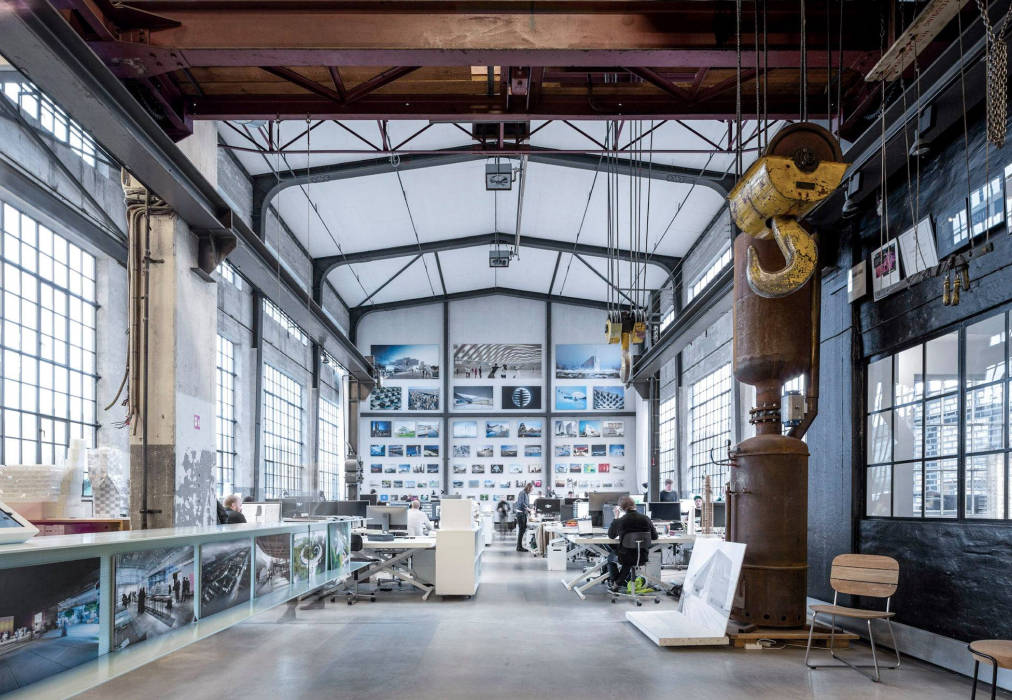
Beyond Floors: BIG HQ's Unique Design for Collaborative Workspaces
In the bustling heart of Copenhagen’s historic harbor, where centuries of maritime tradition meet cutting-edge innovation, stands a structure that reimagines the very essence of a modern workplace: the BIG HQ. This architectural marvel, home to the internationally renowned Bjarke Ingels Group, is more than just an office building; it's a living testament to the firm's groundbreaking design philosophy. While the world often focuses on high-profile developments, from urban master plans to cultural landmarks, or even the complex infrastructure that supports global media events like a 'Big East broadcast,' it is within their own headquarters that BIG showcases their commitment to collaboration, sustainability, and creative problem-solving. This article delves into the ingenious design principles that shaped BIG HQ, offering insights into how innovative architecture can foster a truly integrated and inspiring work environment.A Masterpiece of Collaborative Design: The BIG HQ Vision
The vision for BIG HQ was born from a fundamental architectural dilemma: how to create a cohesive, single work environment for an entire firm when constrained by a small footprint on a pier, seemingly dictating a minimum of four separate levels. The challenge was to overcome the inherent fragmentation that multi-story buildings often impose, ensuring that every team member, from architects and engineers to landscape and product designers, felt part of one unified ecosystem. Bjarke Ingels Group is celebrated for its "Yes is More" philosophy – an approach that transforms limitations into opportunities, often through counterintuitive solutions. This ethos is perfectly embodied in BIG HQ's core design. Instead of simply stacking floors, the architects made a radical decision: they split each of the seven planned floors in half and doubled the amount of levels. This seemingly paradoxical move, far from creating more separation, generated a series of interconnected half-levels. These staggered plates form a continuous, winding ascent, creating visual and physical connections across the entire building. Imagine a continuous interior ramp or terraced landscape rather than discrete, isolated floors. This innovative arrangement allows for casual encounters, spontaneous idea sharing, and a constant awareness of the firm's collective activity, fostering a sense of community that traditional multi-story offices often struggle to achieve. This design strategy directly addresses the need for collaboration. When teams can easily see and access colleagues across different sections and disciplines, the barriers to communication dissolve. The architectural form itself becomes a facilitator of interaction, breaking down silos and encouraging a fluidity of ideas essential for a multidisciplinary firm like BIG. It’s a powerful lesson for any organization seeking to enhance internal collaboration: sometimes, the most unconventional structural solutions yield the most integrated human experiences.LEAPing Forward: Integrated Design for a Holistic Future
BIG HQ stands as the firm’s inaugural example of fully integrated LEAP design – an acronym representing the synergistic collaboration between Landscape, Engineering, Architecture, and Product designers. This comprehensive approach means that every element of the building, from its overarching urban context down to the most minute details, has been conceived and executed through a unified creative lens. The LEAP team’s involvement spans the entire spectrum of design:- Urban Design: Ensuring the building harmonizes with its Copenhagen harbor surroundings, respecting the area's heritage of warehouses and factories while pushing boundaries.
- Architecture: The ingenious structural solutions, like the split floors, and the overall aesthetic appeal of the building.
- Engineering: Integrating robust structural integrity with advanced environmental systems for energy efficiency and comfort.
- Landscape: Potentially incorporating green spaces or elements that blur the line between interior and exterior, or connecting the building to its waterfront environment.
- Product Design: Giving form to everything from bespoke door handles and custom lighting fixtures to the very concrete columns that define the interior spaces. Even the glass facades are products of this integrated thinking.
For more on how this architectural masterpiece sets new standards, explore BIG HQ: Innovative Copenhagen Architecture & Sustainability.
Sustainable Foundations: BIG HQ's Green Commitment
Beyond its innovative structural and collaborative design, BIG HQ is a beacon of environmental responsibility, designed to achieve the prestigious Danish sustainability certification, DGNB Gold. This commitment to sustainability is woven into the very fabric of the building, demonstrating that cutting-edge design and ecological stewardship can, and should, go hand-in-hand. Key sustainability features include:- FutureCem Concrete: A pioneering material choice, FutureCem concrete significantly reduces CO2 emissions by approximately 25% compared to traditional concrete. This demonstrates BIG's dedication to selecting materials that lessen their environmental footprint from the ground up, literally.
- Solar Energy Systems: Integrated solar panels harness the sun's power, converting renewable energy into electricity for the building. This reduces reliance on fossil fuels and contributes to a cleaner energy profile.
- Geothermal Energy Systems: Utilizing the stable temperature of the earth, geothermal systems provide efficient heating and cooling for the office spaces. This technology offers a highly energy-efficient alternative to conventional HVAC systems, drastically cutting energy consumption.
- Natural Ventilation: The building's design strategically incorporates natural ventilation mechanisms. This minimizes the need for energy-intensive mechanical air conditioning, improving indoor air quality, reducing energy costs, and creating a healthier, more comfortable environment for occupants.
To dive deeper into the specifics of these certifications and sustainable design choices, read Sustainable Design: Achieving DGNB Gold with BIG HQ's Innovations.
Design Principles for Modern Workspaces: Lessons from BIG HQ
The BIG HQ offers invaluable lessons for any organization striving to create a more dynamic, productive, and sustainable work environment. Its design principles are universally applicable, transcending the specific needs of an architectural firm to inform best practices for modern workspaces across industries. Here are some actionable insights and practical tips inspired by BIG HQ:- Prioritize Interconnection Over Isolation: Instead of traditional, stacked floors or rigid cubicle farms, consider designs that foster visual and physical connectivity. Staggered levels, open staircases, double-height spaces, and strategic use of internal courtyards can break down barriers and encourage interaction.
- Embrace Integrated Design: Think holistically. When planning a new office or renovation, involve a multidisciplinary team from the outset – architects, engineers, interior designers, and even product designers. This ensures a cohesive vision where every element, from the layout to the doorknob, contributes to the overall experience and functionality.
- Invest in Sustainable Materials and Systems: Make eco-conscious choices fundamental, not an afterthought. Research materials like low-carbon concrete, recycled content, and locally sourced options. Integrate renewable energy sources (solar, geothermal) and passive design strategies (natural ventilation, daylighting) to reduce operational costs and environmental impact.
- Design for Wellbeing: Beyond sustainability, consider occupant health and comfort. Maximize natural light exposure, ensure good indoor air quality (often through natural ventilation), and incorporate elements that connect occupants to nature, even in urban settings. Biophilic design can boost mood and productivity.
- Flexibility and Adaptability: While not explicitly detailed in the reference, BIG's approach to innovative problem-solving suggests an inherent adaptability. Modern workspaces must be able to evolve. Design for flexible layouts, modular furniture, and infrastructure that can support changing technologies and team structures.
- The "Why" Behind the "What": Every design decision at BIG HQ serves a purpose – to foster collaboration, enhance sustainability, or solve a functional challenge. Understanding the underlying "why" will lead to more meaningful and impactful design solutions for your own space.